Sustainable Tree Care Strategies for Urban and Suburban Landscapes Mar 13, 2026
To begin with, understanding the specific environmental conditions of your landscape is fundamental. Trees in urban settings often face challenges such as soil compaction, limited root space, and exposure to pollution. Conducting a thorough site analysis allows you to choose tree species that are well-suited to the local climate and soil conditions, ensuring they require fewer resources to maintain and have a higher chance of thriving.
One sustainable approach is implementing strategic planting. This involves selecting tree species that are native to the area, as they are more likely to adapt to the local environment and support biodiversity. Native trees are also less susceptible to pests and diseases, reducing the need for chemical treatments. When planting, ensure adequate spacing to allow for mature growth without overcrowding, which can lead to competition for resources and potential health issues.
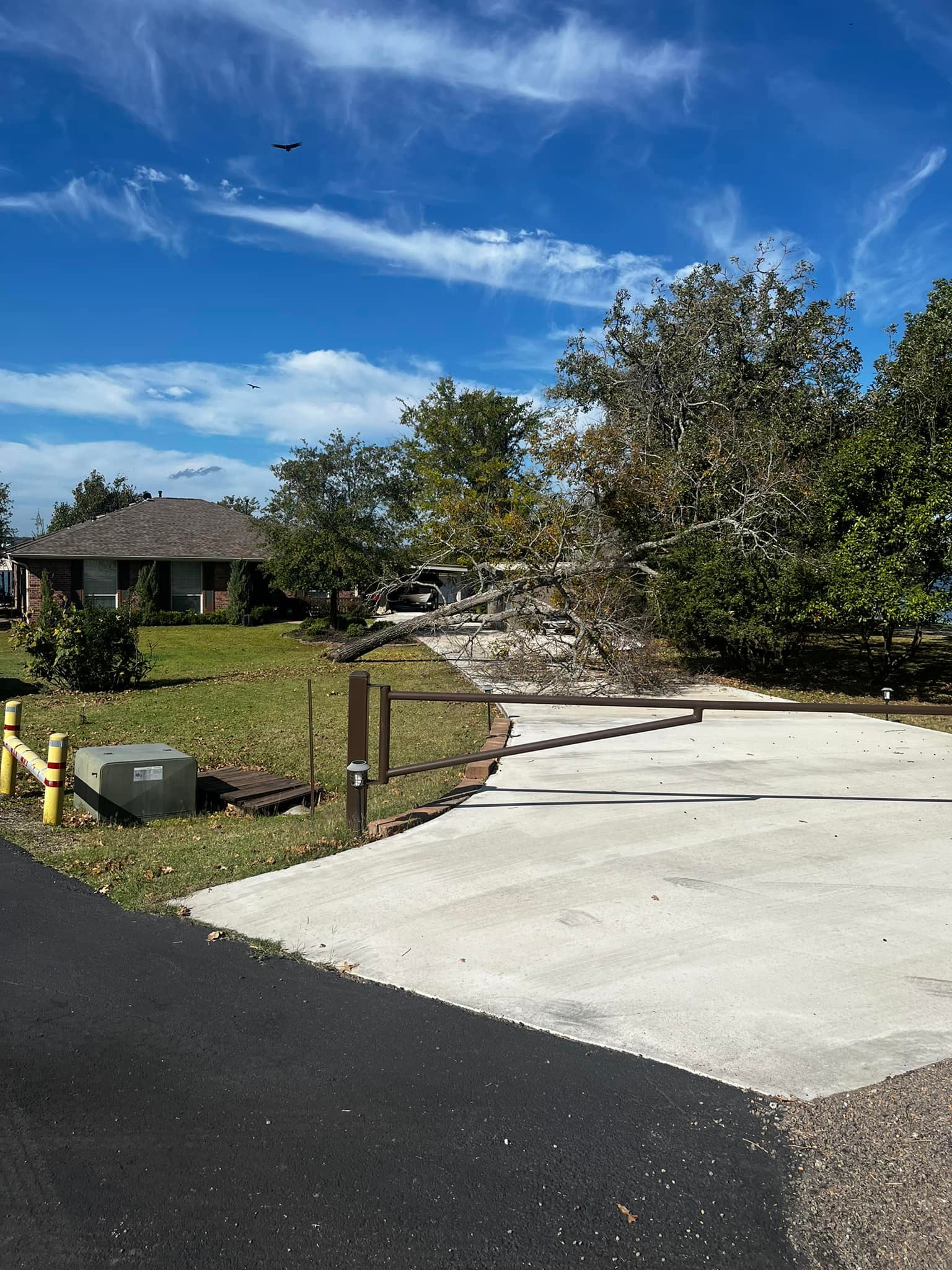
Pruning is another essential aspect of sustainable tree care. Regular, routine pruning helps to maintain the structural integrity of trees, preventing damage from windstorms and minimizing the risk of dead branches falling. Proper pruning techniques help trees to grow stronger and healthier, extending their lifespan and reducing the need for costly removals.
Watering practices also contribute to sustainable tree care. In urban environments, where rainfall may be insufficient, it is important to implement water-efficient irrigation systems. Drip irrigation, for example, delivers water directly to the root zone, minimizing wastage and evaporation. Mulching around the base of trees can also help retain moisture in the soil, reduce weed growth, and regulate soil temperature.
In addition to these methods, integrated pest management (IPM) is a proactive approach to controlling pests sustainably. This strategy involves monitoring pest populations, understanding their life cycles, and encouraging natural predators. By reducing reliance on chemical pesticides, IPM protects beneficial insects and preserves the ecological balance.
Community involvement in sustainable tree care can enhance its effectiveness. Engaging local residents in tree planting or care initiatives fosters a sense of ownership and responsibility for the urban forest. Educational programs that inform the community about the value of trees and how to care for them can inspire more people to participate in sustainable efforts.
At H3 Land Management, we recognize that sustainable tree care isn’t just about maintaining the health of the trees; it’s about fostering environments where both nature and urban living coexist harmoniously. By adopting these strategies, we can help ensure that our urban and suburban landscapes remain green, resilient, and vibrant for future generations.
In conclusion, implementing sustainable tree care strategies helps counteract the environmental challenges faced by trees in urban and suburban areas. By choosing native species, employing efficient watering practices, and involving the community, we can ensure that our landscapes remain healthy and sustainable. H3 Land Management is committed to supporting these efforts, providing expert guidance, and delivering top-notch tree services to ensure the beauty and sustainability of your landscape.
/filters:no_upscale()/filters:format(webp)/media/4fea7fff-e4b2-4f1c-8848-815f376f2ccf.png)