Expert Tips for Protecting Trees Against Climate Change Challenges Apr 07, 2026
Begin by understanding the effects climate change can have on your trees. As temperatures rise and weather patterns become more erratic, the health of trees can be adversely affected. Extreme weather events, prolonged droughts, and increased pest infestations are just a few of the climate-related issues that could threaten their survival.
The foundation of a healthy tree begins with proper planting. Selecting native species that are well-adapted to the local climate ensures they have the innate resilience to withstand climatic fluctuations. When planting new trees, consider diversity as a safeguard against pests and diseases which tend to proliferate in monocultures. Varied plantings increase resilience, offering a richer ecosystem that supports robust tree health.
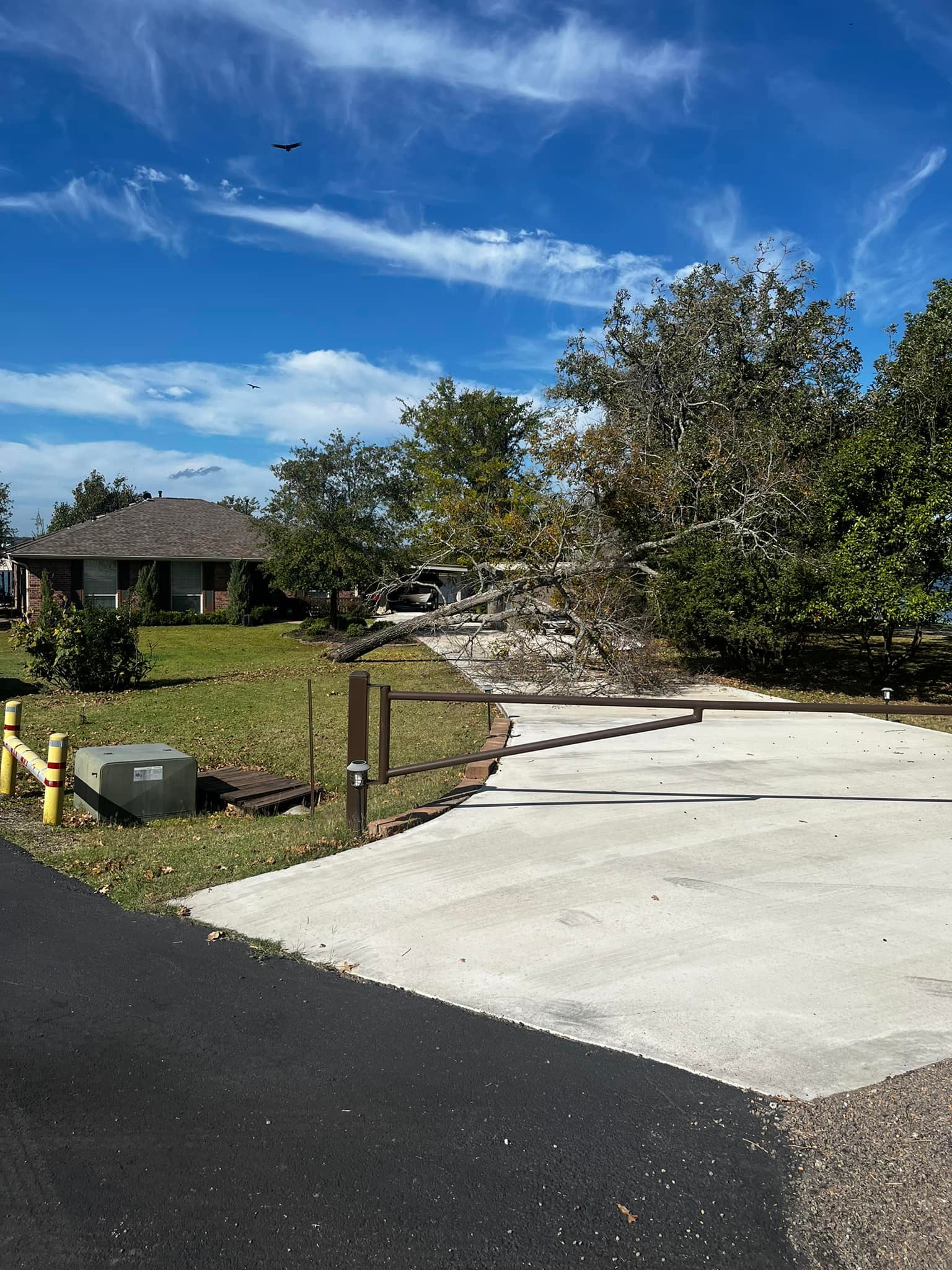
Regular maintenance is crucial in mitigating climate impacts. Pruning your trees strategically will not only enhance their aesthetic appeal but also promote structural integrity. By removing dead or weaker limbs, you reduce the risk of storm damage and improve air circulation within the canopy, discouraging the spread of fungal diseases common in humid or wet conditions.
Water management is another critical aspect of tree care in the face of climate change. Prolonged dry spells necessitate an effective irrigation strategy. Implementing a drip irrigation system can provide consistent hydration without waste, concentrating moisture in the root zones where it’s needed most. Mulching around trees helps retain soil moisture, moderates temperature extremes, and suppresses weed growth, thereby reducing competition for water and nutrients.
As temperatures fluctuate, pest and disease pressures also shift. Warmer temperatures can lead to the emergence of new pests or the expanded range of existing ones. Regular monitoring and prompt treatment of infestations are essential. Employ integrated pest management techniques that use biological controls to keep pests at bay while minimizing chemical use. A healthy, stress-free tree is your best defense against most pests and diseases.
Soil health is integral to tree vitality. Conducting a soil test will reveal nutrient deficiencies and imbalances, allowing you to amend the soil with the appropriate supplements. Adding organic matter, such as compost, can enhance soil structure and nutrient availability, critical for root development and overall tree growth.
Community involvement is another powerful tool in the battle against climate effects on trees. Advocate for urban and community forestry initiatives that prioritize green space and tree care on a larger scale. These efforts can counteract the heat island effect, improve air quality, and contribute to a healthier environment not just for your trees but for the community as a whole.
In conclusion, the challenges posed by climate change require a proactive and informed approach to tree care. By following these expert tips from H3 Land Management, homeowners can play a pivotal role in safeguarding their trees for future generations. Regular monitoring, embracing diversity, effective water management, and engaging with community efforts are all actions that will ensure the longevity and health of your arboreal assets. At H3 Land Management, we are committed to supporting you with sustainable solutions tailored to meet these contemporary challenges.
/filters:no_upscale()/filters:format(webp)/media/4fea7fff-e4b2-4f1c-8848-815f376f2ccf.png)